
What's New in Rust's "Devblog 92" Update
Devblog 92 opened 2016 with a full wipe including blueprints, then changed a surprising amount underneath it: raid towers nerfed via stability, lazy aim removed, voice chat notifications deleted, and a new rock and biome set that cut nearly a gigabyte of disk usage.
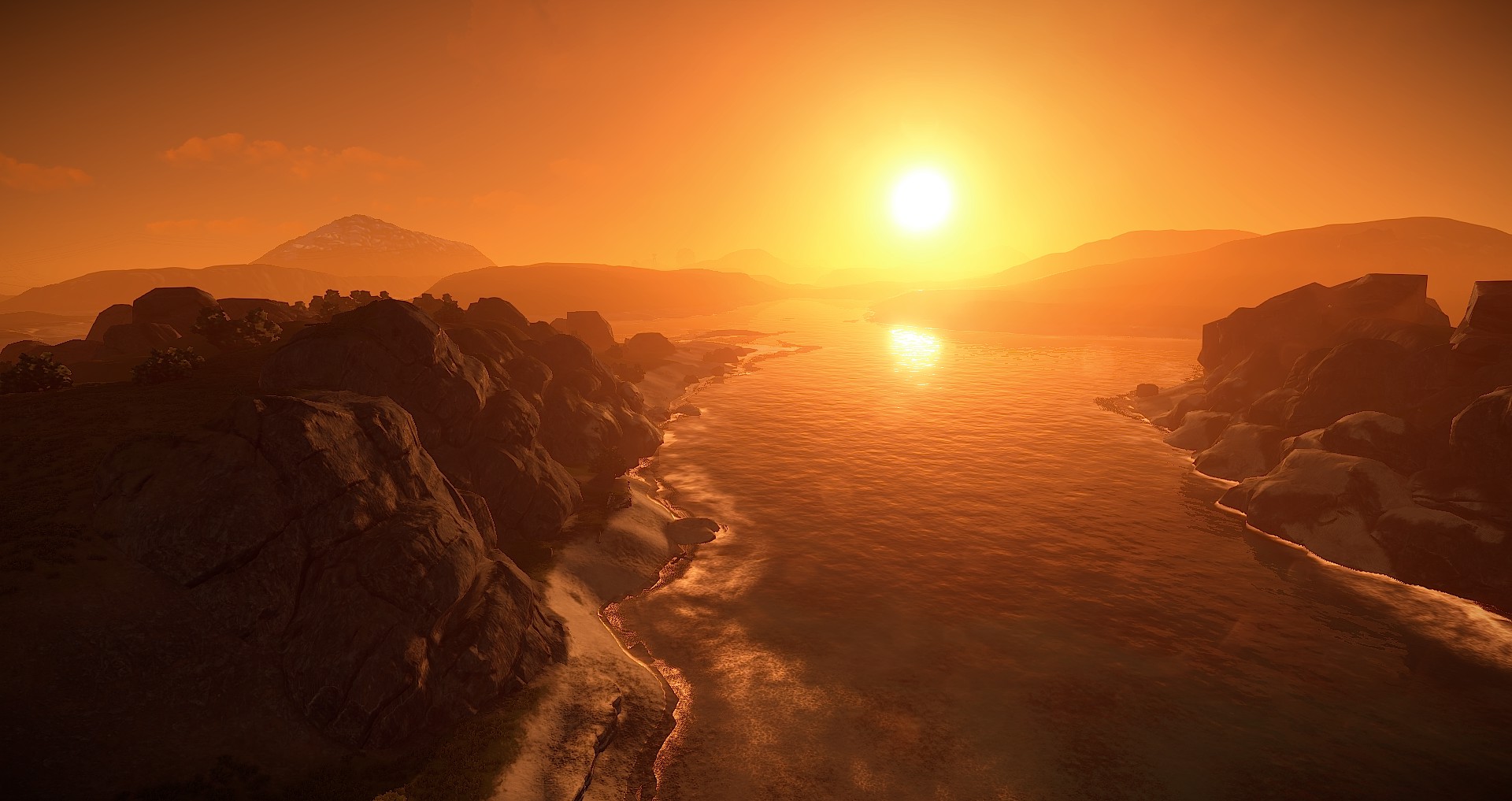
Devblog 92 arrived in the first week of January 2016 and came with a clean slate - a full server wipe including blueprints. That gave Facepunch cover to make changes they'd been sitting on, and they used it: building stability was rebalanced to kill raid towers, the procedural generator got a big visual and technical upgrade, and a couple of long-standing UI crutches were taken away entirely.
Stability gets diminishing returns
The change with the widest blast radius is stability. It now diminishes naturally as buildings get larger, which puts raid towers somewhere between far less efficient and outright impossible depending on how ambitious you were being. This had been on the to-do list for a while and was deliberately timed for a wiping update.
Procgen 11.1: new rocks, new biomes
The next version of procedural world generation went live with this patch, split fairly evenly between fixes and new content. On the fixes side: monuments occasionally messing up rivers, floaty monument pieces caused by terrain adjustment, dungeon geometry that got players stuck, and random terrain holes that could appear near caves on certain seeds.
The visual upgrade teased in the previous devblog also landed. Rocks and biome textures have been redone, with much clearer differences between biomes - new sand, gravel, stone, rock, road and dirt splats, plus ocean and river colour changes. The new rock set cut disk usage from 1.1GB down to 120MB, a huge saving that should also translate into better performance. One knock-on gameplay effect worth knowing: the new rock shapes are generally easier to climb on top of, which makes rock bases easier to raid.
Server owners got a small but useful fix too - the seed and salt convars are now correctly written back when they're filled automatically, so you can query them in the server console if you need to move a save to another machine.
Aiming, viewmodels and the end of lazy aim
Viewmodel movement was tweaked to make weapons feel more responsive: lowering and raising while running, transitioning to and from iron sights, and the general swing when turning. More significantly, lazy aim was removed. It had been added to discourage players from drawing a crosshair on their monitor and ignoring iron sights entirely, but the team decided to tackle that from a different direction. The stated philosophy: hipfire shouldn't be terrible, but you should always prefer iron sights for careful long-range shots - achieved through things like slightly less recoil when aiming down sights rather than artificial aimcone penalties.
Voice chat notifications are gone
The voice chat UI was removed outright. To know who's talking you now need to recognise the voice or work out where the sound is coming from. The reasoning is blunt and hard to argue with: the notifications were mostly used as a radar for nearby players - you couldn't hear them, but you could see they were close. A new notification was added so you can tell when your own mic is live. Voice chat quality was also increased, and you no longer receive voice chat while dead.
Underwater changes
A while back Rust blocked all attacking underwater, aimed mostly at guns since firing one submerged didn't make much sense. That was too broad. Melee underwater makes sense - especially with underwater loot on the horizon - and so does building in water. Both are now allowed, flagged as a change the team would be watching closely.
Weather with teeth
Atmospheric weather parameters were adjusted so fog cuts view distance far more aggressively, and rain now forces more clouds and fog so it actually affects how a fight plays out. Rain also tends to be more intense when it does happen. The particle effects themselves were acknowledged as still not great, but the weather at least matters more now.
Throwables and the semi-auto rifle
The throwable weapon set kept growing, with the longsword, mace and salvaged cleaver joining in - two-handed options that hit harder than their one-handed equivalents. The salvaged semi-auto rifle was rigged and animated this week; only the world model was left before it could go in.
Branch restructuring
The client branches changed. What used to be called "development" is now staging, and a new prerelease branch was added. Urgent bug fixes go to staging so weekly non-critical patches can ship without much risk. Bigger work - a new weapon, a new item, or larger systems like the level/XP system - goes to prerelease, where servers can be stood up for testing with significantly reduced stability and wiped whenever needed.
Anti-hack, fixes and engine work
The new anti-hack damage verification had a flaw: it was also verifying damage players inflicted on themselves, which occasionally broke the kill console command and was potentially exploitable. That's fixed, along with several sleeping bag exploits and a roof building block exploit. Elsewhere:
- UI banding fixed by adding dithering to the shader
- Fixed trees sometimes missing on first connect to a server
- Fixed dungeon blockers in the Trainyard central building pipes and a Water Treatment Plant tank
- Fixed major holes in sewer meshes across all dungeons that let you see under the terrain
- Upgraded to Unity 5.3.1p2, and switched OSX and Linux to the new OpenGL core
- You can now cook bear meat - and burn it
- Christmas content disabled
Music, art and what's coming
The dynamic music system made real progress. Themes now hold a set of short pieces, each with an intensity value, and the game picks pieces based on current intensity. Rather than plain loops, each piece includes reverb tails and delays so clips can be switched in any order cleanly - which makes sharp intensity changes and theme swaps sound natural instead of cross-faded. Roughly half the intensity level comes from musical progression and half from in-game events, and themes are divided into sections (think verse and chorus) so the music keeps moving even when nothing dramatic is happening. Remaining work: hooking in-world events up to intensity, and theme selection driven by weather, biome, building privilege, comfort and whether you have tools or weapons equipped.
On the art side, dungeon texturing production began in earnest with a plan to release content piecemeal rather than sitting on it for months - railroad tracks were the first piece. The female player model was being reblocked using the new male workflow, with the low poly, UVs and skinning set up and the aim of sharing as much clothing as possible between models (headgear especially) while giving unique female meshes only where arms and legs are visible. Floor frame concepts were finished, and early thinking on farming was floated: a mini-game players could specialize in, with crops potentially feeding into cotton, hemp, biofuel and more complex recipes rather than just food.