
What's New in Rust's "Devblog 38" Update
December 2014's Devblog 38 merged the weapon refactor into main, bringing rewritten hit detection, network optimization and multi-attribute damage. It also introduced Facepunch's mind map instead of a roadmap, and animals that hunt and eat each other.
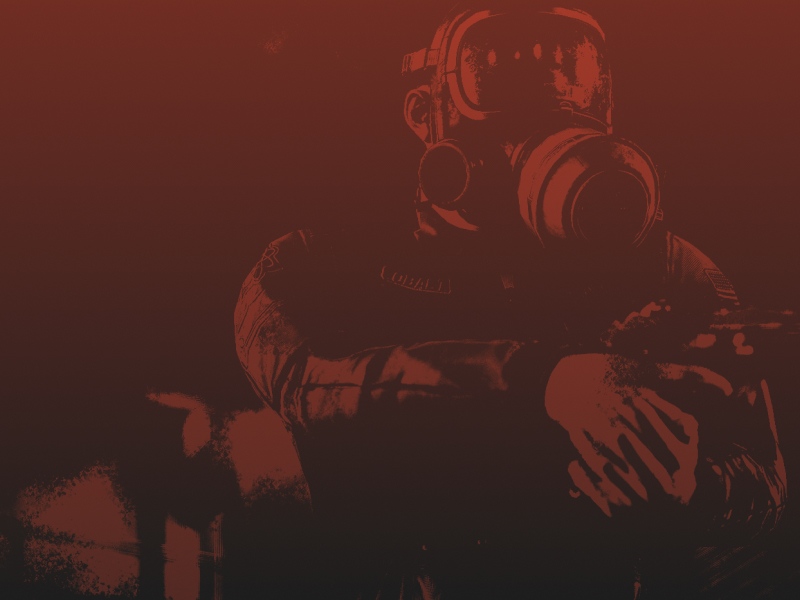
Devblog 38 landed in December 2014 and was the week the long-running weapon refactor finally merged into main. That branch dragged a lot of unrelated but important work along with it - rewritten hit detection, a radically different networking model, and a more sophisticated damage system. Alongside it came Facepunch's answer to endless roadmap requests, plus a genuinely funny bit of emergent animal AI.
The mind map
People kept asking for a roadmap, and Garry kept saying no. His objection was that a traditional roadmap ties you to features and timescales, and Facepunch were hobbyists at heart rather than a game factory that needs that kind of pressure.
A mind map was the compromise. It puts the grand plan on a single screen, lets ideas be jotted down logically, and carries no dates or times. If something changes you can follow the tree to see what else it affects. The caveat was firm: it isn't tablets of stone, just a rough, scatterbrain plan of intentions and direction that changes and evolves like everything else.
The weapon branch goes live
The refactor was merged and testing on the Steam development branch. It brought five major things:
- Stability system fixed. A previously introduced bug had buildings falling down far too easily. Fixed here - Garry reckoned buildings were probably now too stable, but considered that the right side of the line.
- Network optimization. Entity updates were networked in a radically different way, which should largely eradicate the network lag-out known as the "effect generic" bug, and stop high-population servers dropping every player at once.
- Hit detection fixed. Errors in the old code meant melee swings and bullets sometimes didn't hit. The hit detection code was completely rewritten and, as far as anyone could tell, worked perfectly.
- Damage changes. Attacks previously carried a single damage amount and type; now they can have multiple attributes. An axe might do 20 stab damage and 20 blunt impact damage. Damage protection - which everything has - became correspondingly more sophisticated, protecting against each attribute differently. The example given was the bear, which takes far less from blunt force impacts than from stabbing and bullets. Being brand new, it needed a lot of balancing and feedback.
- Engine changes. The old 'Listen Server Mode' had entities be both clientside and serverside at once, bypassing the network system entirely - which quietly hid a lot of simple networking errors. Now a listen server creates separate client and server versions of each entity, giving a far more realistic picture of deployed behaviour. The downside is two colliders in the same space and sometimes two renderers, but those bugs only appear in the editor, meaning the shipped game actually has fewer bugs than the editor build. Garry called this the change with the biggest impact on the speed and quality of development.
Animals with metabolisms
Zon reworked animal AI so animals now have metabolisms and awareness of each other. It became common to see a wolf chase down, kill and eat a chicken. The emergent result on the test server was better still: over 24 hours the bears were powerful enough to kill and eat everything else, until only bears remained and every other species was extinct.
Gooseman updated the animations so animals moonwalk considerably less.
PVT performance
Diogo's work on PVT had been discussed for a while, and although it wasn't on by default, reports suggested he'd cracked it - some players saw an average framerate increase of 10 fps. Anyone struggling for performance was told to press F2 in game and switch it on.
Art and clothing
Vince continued work on one of the wooden building skins, and Helk brought a batch of the old Legacy clothing back into the game - with the notable exception of the bin-bag jackets.
Wrapping up
Plenty of positive gameplay progress, but not enough to reach the default branch in time for the blog. A pile of bugs, tracked in the bug branch of the mind map, still needed clearing before release, with Garry hoping to fix the worst over the weekend and follow it with a couple of days of testing. The week ahead was expected to be cleaning up and debugging, with luck leaving some time for more interesting work.