
What's New in Rust's "Devblog 31" Update
October 2014's Devblog 31 opened with Facepunch walking back the previous week's blueprint trading storm, then got on with the work: a DDOS exploit closed, fake redirect servers blacklisted, real physics on dropped items and a metabolism rebalance.
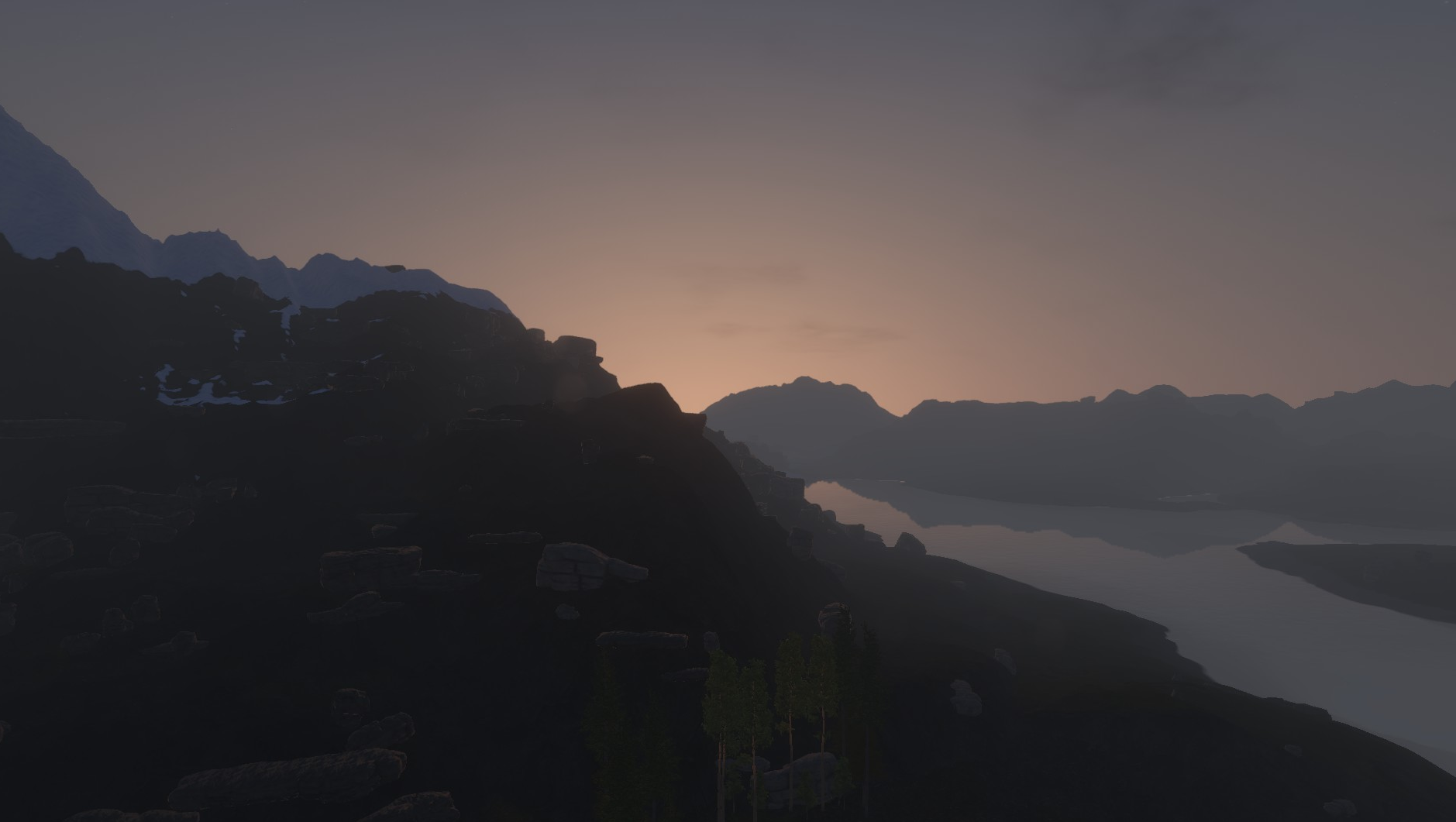
Devblog 31 landed in October 2014 and opens with damage control. The previous week's blueprint trading post had gone down badly, so Garry spent the first section walking back assumptions about microtransactions. The rest is a bug-fix and refactoring week: a DDOS vulnerability closed, fake server redirects banned outright, real physics for dropped items, and a batch of metabolism balancing.
Microtransactions, clarified
The response to the trading post had been anything but positive, so the position was restated plainly. The Steam Inventory work isn't about microtransactions - it's a persistent inventory, and the ability to sell, buy and trade is optional. Facepunch can allow or disallow each of those on a per-blueprint basis, restrict which blueprints can be traded with other players, and route trading through an in-game mechanic rather than the Steam overlay. And as always with a devblog concept feature: the game is in development, and everything mentioned is likely to change.
DDOS and server blacklisting
Many game servers came under DDOS attack the previous weekend, and Facepunch took the blame. It was possible to throw unconnected packets at a server, which caused an exception that eventually made the server believe it was full. That's fixed. Servers remain as vulnerable to attack as any game server, but a single IP can no longer take down every server at once.
Fake full-looking servers that redirect players elsewhere were also dealt with. There's now an updatable blacklist that bans both the fake server IP and the destination server, and if the operators reappear on a slightly changed IP the whole subnet gets banned. Facepunch were explicit that those IP bans wouldn't be lifted, and warned game server providers who allow customers to do this. The same code was scheduled to roll out to Legacy over the following week.
Physics and dropped items
Rust had been using a system called "Fake Physics" that applied basic velocity and gravity to objects for performance reasons. That's gone - dropped objects and airdrops now use real rigidbody physics, which fixed a bug where dropped items would fall through walls and behave strangely. The longer-term goal is to show the actual item when dropped rather than a generic sack, so dropping an apple shows you an apple.
Metabolism balance
Several metabolism bugs were fixed, the biggest being temperature: water made you freeze to death even in the south, so swimming was lethal. That's fixed. Balance changes went in alongside:
- Calorie consumption doubled, because starving to death was almost impossible.
- Lung capacity reduced, so you can't stay underwater as long.
- You dry off naturally a bit faster.
These were deliberately framed as nudges, with the intent to keep adjusting weekly based on feedback rather than making dramatic swings.
Engine, UI and build work
The "corruption" problems causing crazy errors and crashes the previous week turned out to be a Unity beta bug - the Arcade team hit the same thing, and Unity fixed it. Hours of diagnosis wasted, but resolved.
Server builds are now run through a script that strips MeshFilters, Renderers and AudioSources from all prefabs, cutting the server download from 1.4GB to 200MB and reducing memory usage noticeably.
Coherent UI, which rendered all of Rust's UI at the time, had a habit of crashing in the background and taking UI rendering with it - severe enough to make the game unplayable for some macOS players. Facepunch were working with Coherent and added extended logging, but also decided to start evaluating Unity 5's new UI system. Garry noted the awkwardness of that given he'd been praising in-game HTML rendering only four months earlier, but the accumulated UI slowdowns, rendering oddities, portability issues and crashes made an evaluation worthwhile.
A string pool was removed in a refactoring pass. The idea had been to save bandwidth by adding strings to an array and sending the index instead, with machinery to ship the string table to clients. It turned out not to be needed - the client and server now ship with all the strings they need, with a CRC check to confirm they match. That saves a little bandwidth on server join and, more importantly, eliminates a whole class of errors.
Cheats and fairness fixes
Some debug convars being used as cheats were removed. vis.lerp drew lines that let you locate moving animals and players, and vis.net did the same thing by placing text on entities receiving network updates. Both are gone, and fov was restricted to between 60 and 90.
A bug where low framerate meant you harvested and attacked at a much lower rate than someone with a good framerate was also fixed.
Wakeup bug and other fixes
The elusive wakeup bug should be fixed. It had been made much worse by not being able to press escape to get back to the menu screen, so that was fixed too - escape now returns you to the menu from any of the other screens.
- No longer fall through terrain after dying in a cave.
- No longer immortal when wearing certain clothes.
- The held item no longer gets removed when dropped.
- Building fixes: building on floor frames, stairs collision, and not always being able to place doors on upper floors.
Audio
Audio was acknowledged as still weak compared to Legacy. Music exists in the game but wasn't playing, with diagnosis planned for the following week. More promisingly, work started with Unity 5's new audio mixer, which allows categorising sounds and adjusting balance and effects per group, saving those settings into snapshots and fading between them - so everything could go echoey in a cave, or music could duck automatically when someone speaks. Volume controls were exposed in the console ahead of any UI, findable via F1 and find audio.
Art and branding
The branding text in the top left was reworked to show when the game was last updated or built, so you can tell how old your version is, plus OS, Steam build ID and branch information for error screenshots - though the Steam build ID wasn't working yet. Peter updated some clothing models to suit Unity 5's physical rendering, Scott built Paul's loot container concept, Goosey made the lantern viewmodel, Tom made a brick wall texture, and Dan continued work on the lighthouse monument, hoped to be in game the following week. Concept work came from Paul (clothing), Meg (a monument) and Howie (building types).
Looking ahead
Facepunch acknowledged that many players disliked the key and lock system, clarifying it was never intended as a replacement for Legacy's password system but as one option among several, with another option planned for the following week. They also warned that the building system was about to look worse for a while: the development strategy was to erode it back to basic components, work through the look of each tier, and finalise what upgrading should look like - so things would be "a bit minecrafty" for a couple of weeks.