
What's New in Rust's "Devblog 139" Update
Devblog 139 was the update that finally killed Rust Legacy for good. Alongside that milestone came snappier melee combat, the end of free tool repairs, a wave of anti-cheat fixes, and previews of the Magnum revolver and military truck.
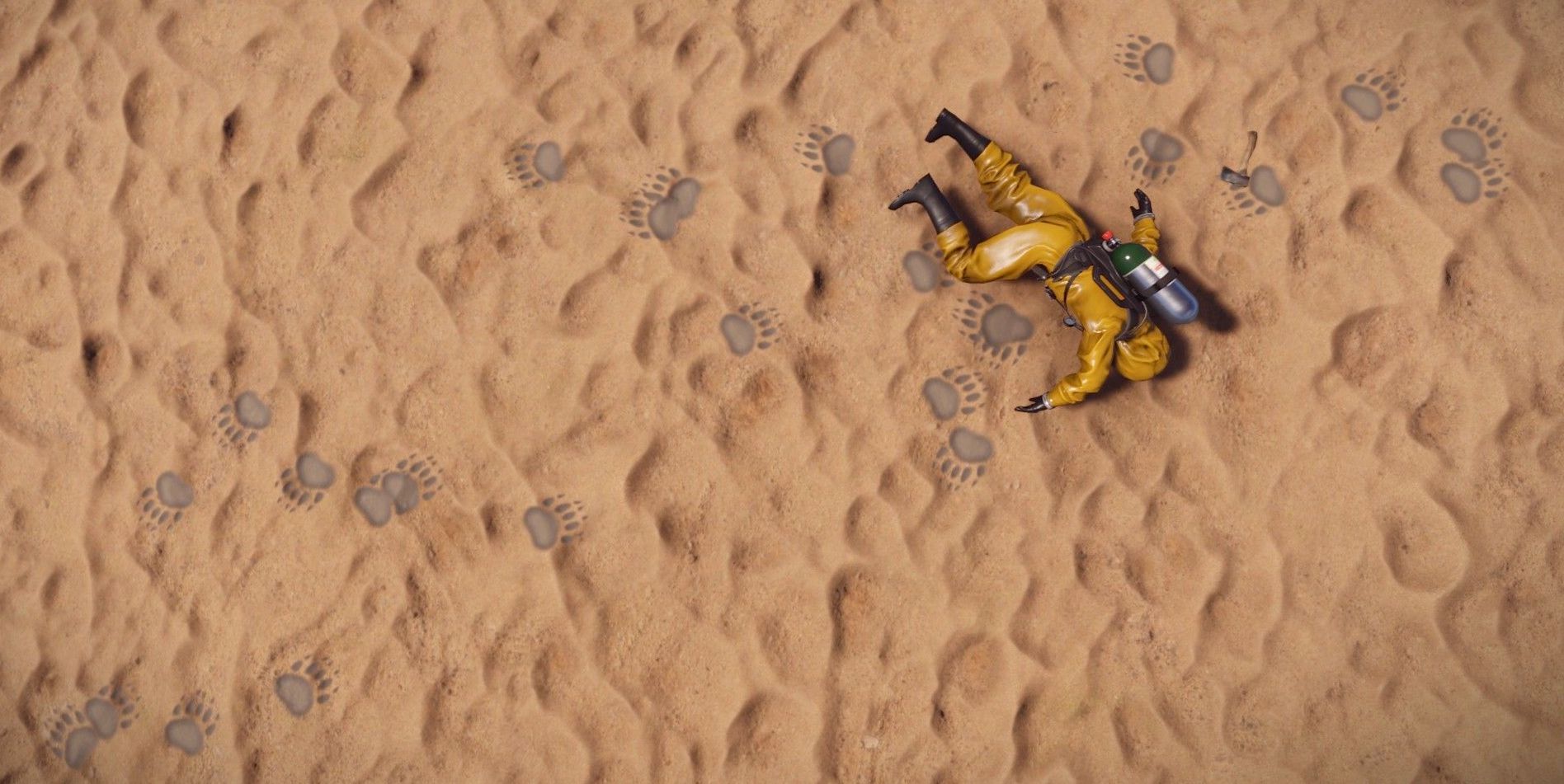
Devblog 139 landed in early December 2016, and while Facepunch billed it modestly as "fixes, optimisations, the very far future of AI," it quietly marked the end of an era: Rust Legacy was removed for good. On top of that milestone, the patch made melee combat noticeably more responsive, closed the long-standing free-repair loophole, and shipped a batch of anti-cheat and performance work, with holiday content teased for the following week.
Legacy Is Gone
Garry had floated the idea of retiring Rust Legacy months earlier, and this was the week it actually happened. The stats behind the decision weren't flattering: the peak player counts still showing up for Legacy weren't reliable, with servers suspected of faking counts and many of them cracked, running torrented versions of the game. Paying to keep it online had become, in Garry's own words, something the team felt stupid for not shutting down years earlier. Judging by the reaction, plenty of players still felt a pang of nostalgia, but from this patch onward, modern Rust was the only Rust.
Melee Feels Better
Helk admitted melee had always been difficult and a little frustrating to use, so this patch took two swings at fixing the feel of it:
- The sprint-block after an attack was shortened by 30% - now half the attack repeat delay instead of three quarters.
- The sprint block now only kicks in when the actual strike lands, so you no longer slow down during the windup - only after you've done damage and are recovering the weapon.
The combined effect made melee noticeably more responsive. A related visual fix also shipped for thrown weapons: stuck projectiles now keep alignment with their attack vector instead of snapping to the surface normal of whatever they hit, which removed an ugly visual pop.
Repairs Aren't Free Anymore
The day of reckoning arrived for free tool repairs. Previously, repairing an item simply ignored any component costs; now, if an item requires a component in its construction, the repair cost includes that component's constituent ingredients. Helk leaned on the same ingredient lists the Recycler already used to decide what you get back for scrapping propane tanks and the like, so the system stayed consistent. As a small consolation, the M249 became repairable for the first time, and the Mace, Salvaged Sword and Custom SMG all got cheaper to craft.
Loot and Farming Tweaks
Helk noticed tier 2 loot crates were spawning a disproportionate - "over the top" - amount of gears and springs, so spawn weights were adjusted for a more even distribution. Road signs and similar components became slightly more common as a result. On the farming side, planters were in progress but taking longer than expected, so as a stopgap, hemp plants now require a minimum placement distance of about a foot between each other. The days of spamming a thousand seeds into a tiny patch of dirt were over.
Anti-Cheat Crackdown
Andre spent much of the week going after hackers on several fronts:
- Instant reload hacks: server-side timing verification was added to reloading, reliably blocking these even when EAC doesn't detect them.
- Line-of-sight hacks: remaining edge cases in the server-side line-of-sight verification were closed off just as hack developers were starting to figure them out.
- Debug camera exploit: a trick that paused the transmission of player ticks - fooling the server into thinking a player was idle so their anti-hack violation tickets slowly faded away - was fixed.
A legitimate bug got squashed too: the previous week's art changes to explosives had accidentally let them deal damage through walls, caused by rotated art without recalculated entity bounds. That regression was fixed.
Performance: Batching and Culling
The custom batching system was extended to rarely-moving objects like doors, gates and hatches - static 99% of the time, they can use the same optimized batching as other building parts and only briefly switch out when someone interacts with them. Storage boxes and other objects that pile up inside bases got batching too, which should have improved performance around big builds. Andre also added culling volumes to the underground sections of the Military Tunnels, so, as with caves, those structures are disabled entirely unless you can actually see them.
World and Building Changes
Caves had been blocking construction in a large radius to stop people walling them off, but the team felt it was overkill - the building-free zones around caves were reduced to be less restrictive, more in line with other dungeons. High external gates also got stricter terrain placement rules. Meanwhile, Vincent continued closing out props for Harbor_1 (just a couple left before polishing Harbor_2) and experimented with in-editor ground surface painting via mesh vertex colors to make monuments look less repetitive - plus there was a known procmap issue to fix so harbors would spawn along the coast rather than in the middle of the land. A high-poly military truck was also in the works, planned in three variants with a flatbed attachment for the first.
Item Store and Workshop
Garry updated the item store with coloured names and sharper icons - now rendered four times bigger and downsized to fight aliasing - and some items gained multiple images, which is handy for skins that glow in the dark. Those images come straight from the item author's workshop uploads, so skin creators were encouraged to check how their items looked. The in-menu workshop voting system was also reworked from a pick-one-of-three format into a more traditional thumbs up/down on a single bigger picture, giving authors a clearer signal of what players actually think of their work.
AI, Sounds and What's Next
On AI, Garry set expectations: the new AI depends on Unity's realtime navmesh tech, previewed in a special build of Unity 5.5, and it won't ship until Unity 5.6 is properly released - "that's when you'll be able to reliably lock bears in your friend's base." Alex Ramsey finished the M92 sounds, polished ambience that had too much high-end, chased a couple of elusive audio bugs (phantom Dome ambience and sporadic volume spikes), and started a second pass on wolf and bear sounds. Alex Webster updated the Supply Signal viewmodel alongside fixes to the Explosive Charge viewmodel. And two teasers rounded things out: the Magnum revolver - pitched as probably the most powerful handgun in the Rust arsenal - and Helk's promise that holiday event content would launch the following Thursday, once it was made compatible with a year's worth of changes. If you're curious how the item store featured here evolved into today's sprawling skin economy, you can browse it all on our skin tracker.