
What's New in Rust's "Devblog 137" Update
A smaller week for Rust: Devblog 137 halved burlap clothing costs, made airdrops fall slower with no ammo inside, kicked off two new occlusion culling projects, and pushed the harbor's art into its detail phase.
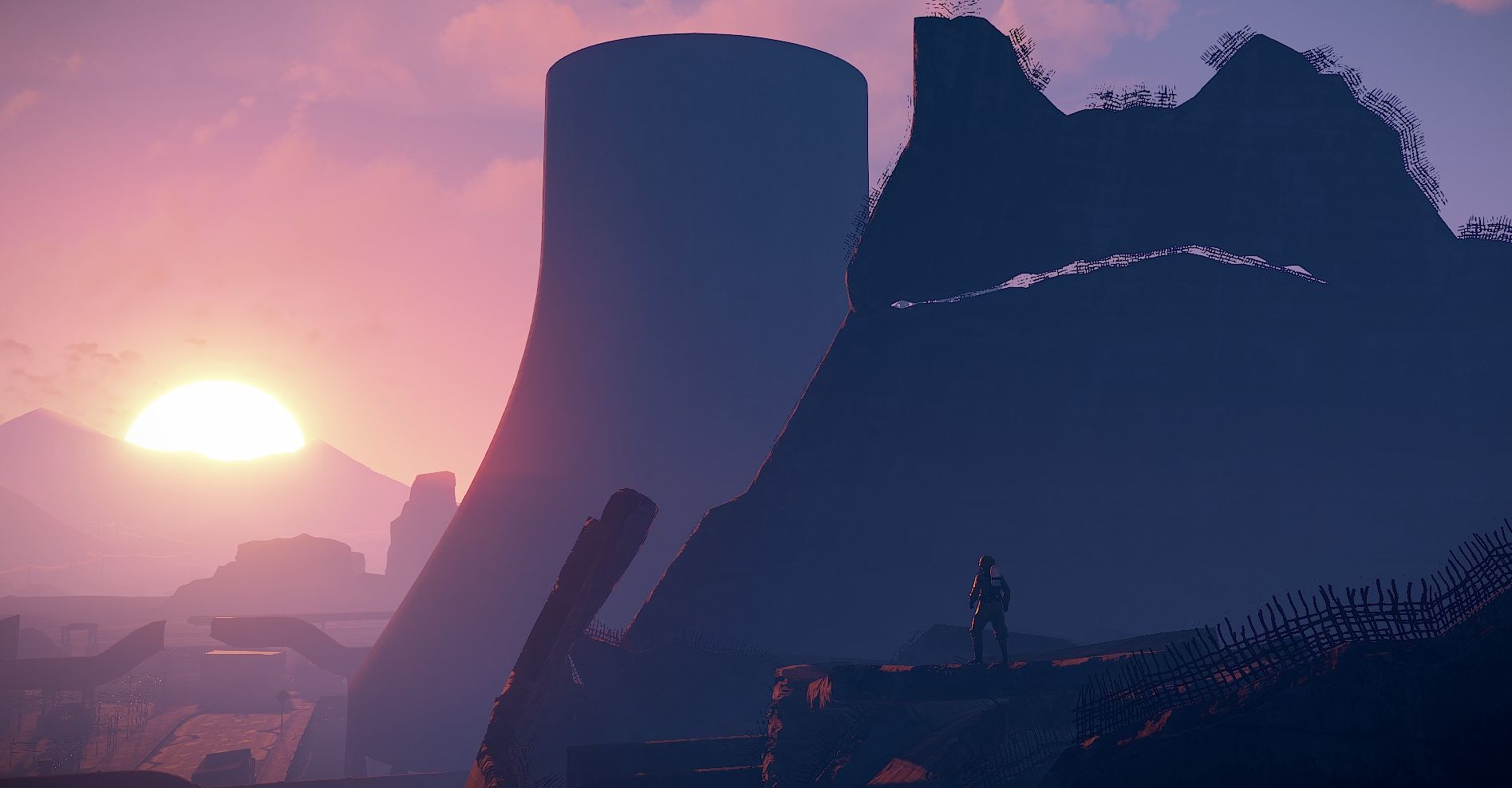
Devblog 137 arrived on November 24th, 2016, and was, by the team's own admission, a smaller blog than usual - Helk was "sick as hell" for most of it. Still, the patch made early-game clothing cheaper, turned airdrops into even bigger battle magnets, and quietly kicked off two separate occlusion-culling projects that would pay performance dividends down the road.
Cheaper Clothes, Fairer Armor
All burlap clothing costs were reduced - halved, per the changelist - making basic coverage accessible to everyone, and the Miner and Candle Hats got cheaper too. A sneaky bug also died: the hide skirt and haltertop were using the wrong armor type, making them secretly as protective as the hoodie and urban pants. "Nice!"
Airdrops: Slower and Ammo-Free
The airdrop now falls a bit slower, meaning even more people will be circling its landing spot by the time it touches down - "so yikes!" The ammo chance was also removed (the devblog said lowered; the changelist confirms airdrops no longer spawn ammo at all), which raises the odds of finding everything else inside. Net effect: airdrops became better loot and bigger fights.
Two Culling Projects Begin
Despite the sick week, Helk started investigating Hierarchical Z-Buffer Occlusion culling: render occluders like walls, rocks, and terrain into a depth target, then test potential occludees - players, deployables, whatever - against that depth and skip rendering anything provably hidden. Unity's slow GPU-to-CPU data transfer posed setbacks, so Diogo was put "on the case."
In parallel, Andre began a low-overhead culling system purpose-built for dungeon and cave interiors - determined not to repeat the performance hit dungeons caused when first added. Unity's built-in occlusion culling only suits small static worlds, so this one's hand-rolled: compute visibility of all cave pieces from their surroundings and completely disable anything the player can't see. Restricting it to interiors allows big simplifications - no sun shadow casting, no moving objects - making it enormously faster than generic culling, with a possible future extension via adaptive voxel grids toward semi-dynamic environments like player bases.
Materials and the Texture Budget
Diogo continued attacking the texture bandwidth problems of recent weeks, rooted in Rust simply using more textures than necessary - an issue growing with every community item added. His shader changes enforce stricter physically-based rendering rules, enabling more information to be packed into fewer textures, and added deferred-compatible support for anisotropic materials (brushed metal, carbon fiber, hair and fur) and translucent ones (rubber, wax, marble). Little gameplay impact, but better runtime performance and more material options for item customization ahead.
Harbor Details and Viewmodels
With the harbor's big structures done, both environment artists moved to the small stuff: a completed set of explorable portacabins in various sizes and surface types, fuel tank assets underway, and a forklift among the detail props - work that would eventually enrich older monuments too. The Beretta viewmodel was rigged, animated, and given sound effects; the Satchel Charge viewmodel was de-cartoonified and joined by a new C4 viewmodel (survey charge next, then all three ship together); and the water bottle's drinking pose got refined after feedback. Item UI sounds were finished off for almost everything, with a medium wood sound (bows, spears) and a rattly metal one (bear trap) still on the wishlist - and object deploy sounds finally respect the game volume slider.
A light patch, then, but with the workshop pipeline now running weekly, this era kept minting community cosmetics - late-November 2016 pieces like the Plate Carrier - Black and the Corroded Bronze Door date from this window. The real story was the groundwork: two culling systems and a material overhaul, all aimed at making the bigger Rust to come run better.