
What's New in Rust's "Devblog 130" Update
Devblog 130 doubled XP rates while the component system brewed on prerelease, finally shipped the Lighthouse monument, introduced the recycler, detailed the full natural caves plan, and floated removing Rust Legacy from Steam.
Devblog 130 shipped on October 6th, 2016, straddling two versions of Rust at once. On main, XP earn rates were doubled as a send-off while the Lighthouse finally went live with the monthly wipe. On prerelease, the component system took its first real steps - uncraftable components, recipe rebalancing, and a brand new machine called the recycler. Garry, meanwhile, asked the community a pointed question: does anyone actually still play Legacy?
Double XP While It Lasts
Helk doubled the XP earn rate on main - partly a farewell gift, partly a way to get everyone used to having everything unlocked ahead of the component system. "Enjoy it while it lasts. Giddy up!"
One small balance fix rode along: people had been exploiting the Autoturret's storage to hide weapons and other contraband inside it, so its storage is now restricted to 5.56 ammo only.
The Recycler Debuts (Prerelease)
The Recycler arrived on prerelease as a public-works item found in most radtowns. Feed it an item and it destroys it, returning a fraction of that item's components. It was designed as a load-bearing piece of the component system: it lets the game spawn very specific loot like propane tanks or tarps - items used in only a handful of recipes - because players can always break them down into basics like metal or cloth. Helk's in-game version used self-confessed placeholder art; Paul's real design was a wonderfully grimy machine-that-eats-anything, crunching items fed in the top into fragments that collect in a storage box underneath.
Alongside it, a bunch of uncraftable components hit prerelease (with "terrible programmer art icons"), with crafting recipes and drop tables being adjusted from the low tech tier upward to make sure progression feels right - the recycler deliberately landing first so that balancing wouldn't need redoing later.
The Lighthouse Goes Live
After weeks of polish and testing, the new Lighthouse monument shipped with the month's wipe - interiors and loot fully accessible, and its creator openly looking forward to "the inevitable carnage." Placement checks were improved too, so it no longer spawns in awkward spots like beaches or hard against cliffs.
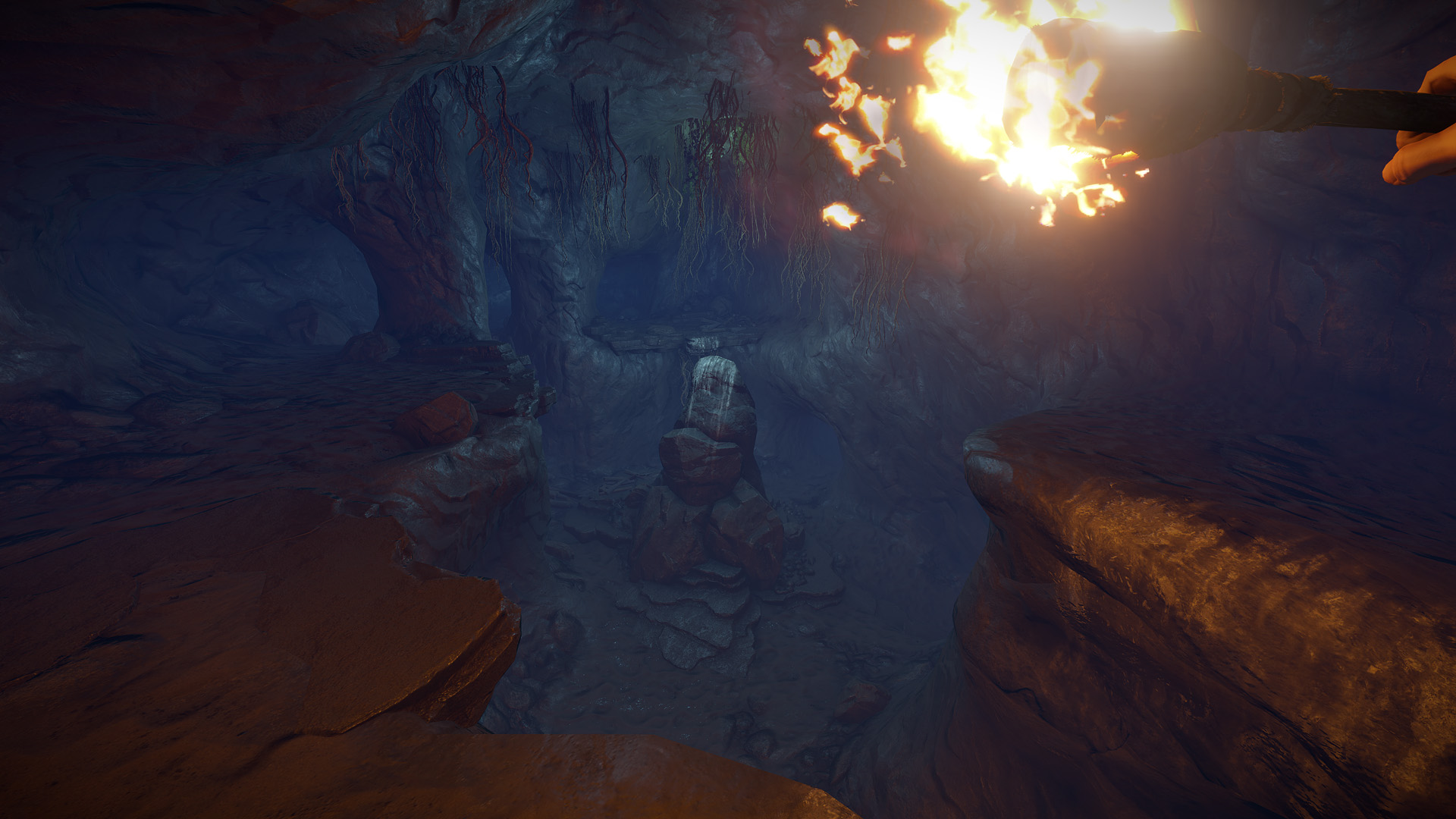
Natural Caves: The Full Plan
The cave designer laid out the complete layout roadmap:
- Three small caves (easy to difficult): single entrance/exit, memorable network complexity, easy and non-deadly puzzles, one to two build rooms
- Three medium caves (easy to difficult): two to three entry points, harder-to-memorize networks, one deadly trap in the hardest layout, tougher puzzles, two to four build rooms
- Three large caves (average to difficult): up to five entry/exit points, a mix of natural caverns and old mining tunnels, complexity high enough that resident players might rarely meet, deadlier and longer puzzles, up to eight build rooms
A large-and-easy cave was deliberately skipped as it would likely be boring; difficult caves could instead offer an easy early branch for balance. Basic resource drops like wood and ores were being considered for all of them.
Is This the End for Legacy?
Garry floated removing Rust Legacy from Steam. Keeping it available meant paying middleware license fees of a few thousand dollars a year to companies Facepunch didn't much like - tolerable while people played it, but stats showed only around 200 genuine concurrent players at peak (after filtering bots and fakes), against Rust's 20,000. Rather than just pulling the plug, he asked the community directly: do you care? Keep it another year and see?
He also made progress on extracting Rust's Steam-specific code into its own open-source library, live on prerelease that week. The motivations: reusability across projects, and platform agnosticism for eventual console ports after early access. The nearer-term hope was that by merge time the library would be advanced enough to start adding new skins from the workshop.
Performance and Anti-Hack
Andre's optimization streak continued, focused on player model, collision, and name tag instantiation - meaning fewer frame drops when lots of players are around or entering network range. Animation snapping on newly visible players was fixed with a warmup mechanism that snaps animators to their correct state when re-enabled. Fly hack and jump hack detection got a fair amount stricter, closing loopholes for hacks that used only small, careful boosts. A Unity physics regression on servers led to a new collider_capacity convar limiting pooled mesh collider vertex counts (defaulting to half the old value), smaller procedural maps in the 3000 range gained the more interesting inland geography of bigger maps, and tunnel-edge rubber banding was fixed. The netgraph also became admin/developer-only after being used as an exploit.
Diogo delivered for AMD owners, fixing DX9 broken motion blur, broken water reflections, and the half-screen darkening issue on R9 cards - while noting minimum sensible hardware of a Radeon HD 7970 or R9 280, with optimization efforts focused on the R9 380 and above. Distant water also stopped glowing brighter than the fog it should blend into.
Odds and Ends
The MP5 was rigged and its animations were about 90% done. The guitar got some overdue love: a viewmodel with animations, a handmade deploy sound, and a proper world model with LODs so it no longer drops as a burlap sack. Sound occlusion reached feature-complete status - shipping soon behind a convar for safe real-world testing - and item placement sounds entered the works, so deploying campfires and doors won't be silent forever. The changelist's quiet goodbye: all traces of the old bone armor were removed.
With the recycler and components live on prerelease and the caves plan locked, Devblog 130 was the calm, well-organized middle of Rust's biggest systemic transition of 2016.