
What's New in Rust's "Devblog 120" Update
Devblog 120 introduced the combat log for hard data on every fight, made grenades attachable to buildings to revive early-game raiding, buffed the semi-auto rifle, previewed the Satchel Charge and a bulletproof shop front, and enabled music by default.
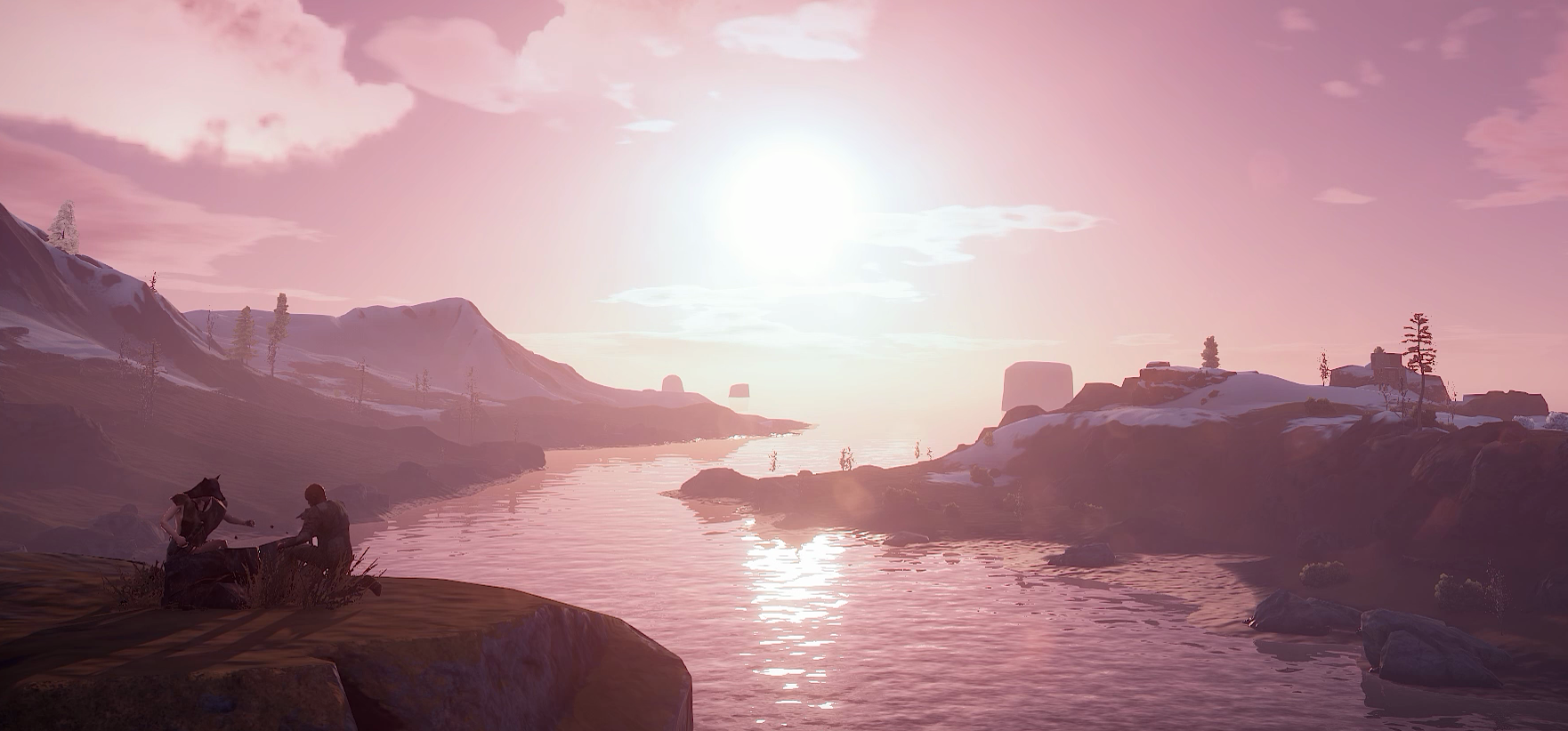
Devblog 120 arrived on July 28th, 2016 with a clear theme: giving combat and raiding some love after months of nerfs. The star addition was the combat log — hard data on every fight, straight from the server — alongside sticky beancan grenades to patch the early-game raiding hole, a cautious semi-auto rifle buff, and previews of the Satchel Charge and a bulletproof shop front. Music also flipped on by default for everyone.
The Combat Log
Weapon balance arguments had always run on vague recollections of what might have happened in a fight. Andre's fix: servers now kept the last 100 damage events for every player by default — connected or sleeping — adjustable via the combatlogsize convar. Players could pull their own history with the combatlog console command (last 30 entries by default, or combatlog 100 for the lot), showing attacker, target, weapon, body part, distance and health for every event.
Andre's pitch for its use was memorably blunt: die in a fight, check the log on respawn, and post it to reddit "calling us incompetent cunts that need to balance their fucking game." Data-driven development at its finest.
Grenades Get Sticky
Andre owned up to a problem: between removing doors' soft sides, pushing C4 late-game, and nerfing arrow and throwable damage against buildings, raiding "certainly took a beating" with nothing yet delivered in return. The promised fix started here. Grenades could now be dropped with right-click — and if you were looking at a construction, the grenade attached to it, dealing damage specifically to that entity (attached grenades skipped splash damage to constructions). All grenades also stacked to five to make them more enjoyable to use.
And addressing the thought on everyone's mind: no, they only attach to constructions.
Weapon Balance
A light balancing week, sharpened by the knowledge the combat log would soon allow surgical changes:
- Damage falloff over distance was reduced across all weapons — needing an extra bullet at range made sense, but some weapons' distance damage had been far too low.
- The Semi-Automatic Rifle got a cautious buff: increased effective range, projectile velocity and damage.
- Throwables lost their bullet damage type entirely — spears in particular had become effective raiding tools when spam-thrown. Thrown spears now used arrow damage, throwables got their own damage multipliers, and thrown items lost condition on impact (breaking at zero) instead of randomly breaking and disappearing.
- Twig buildings took damage from arrows again — last week's blanket arrow immunity was right for higher tiers but proved fairly annoying at the bottom one.
Satchel Charge and Shop Front Previews
Two exciting works in progress surfaced. The Satchel Charge — "new C4! Kinda..." — would be a budget explosive powered by bean cans rather than military-grade explosive, weaker per unit so cash-strapped raiders would need to stock up on a load. Pilgrim rebuilt the model from an old small-stash concept after discovering the original high-poly source files had walked out the door with their author.
Meanwhile a new shop front building block was teased as a better way to establish commerce between players: a small drawer to initiate trades, behind a bulletproof opening to keep the shop owner safe from the traditional Rust negotiation tactics. Full details were promised in the coming weeks.
Graphics: Glitches Owned, More Speed Gained
Garry explained the previous week's accidental graphical glitches — corrupted rock and cliff texturing, female skin issues — which turned out to come from the automatic build system after attempts to "abuse Unity" for faster builds broke asset building. A client patch was due before the week's end, with the server builder being fixed to prevent a repeat.
Diogo's optimization campaign shaved another ~1.5ms off the renderer on a GTX 960 — closing in on his 60 FPS target for that card — via an optimized tonemapper, bloom another ~30% faster, tweaked ambient occlusion, and optimized deferred reflections and related shader code. The usual caveat applied: CPU-bound areas wouldn't show gains. The TSSAA dark-screen bug on OSX/OpenGL was also fixed, and the environment graphics overhaul reported three of four biomes with full spawns done — just the arid desert left before a prerelease push.
Music On by Default
After a bug-free week of live testing, the dynamic music system was enabled by default. Tweaks included a shorter gap between songs (tunable via music.minSongGap and music.maxSongGap), no background processing when volume was zeroed, faster intensity decay when excitement died down, and an experiment where intensity spikes could start music if none was playing — answering players who wondered why fights stayed silent. Alex R was also stretching stylistically, chasing "hitting rocks in a sunny field" vibes to balance his darker instincts, with future intensity hooks planned for nearby bears and wolves, distant gunshots, and aiming down sights.
Odds and Ends
The grenade viewmodel got a full animation refresh — a quicker no-nonsense deploy, smoother hold, a pull-pin animation that actually pulls the pin, and a readable throw — with drop/attach animations to follow. The Double-Barreled Shotgun's first-person animations, sounds and effects were completed, awaiting only textures. Procgen art advanced with a new bus-stop model (kept on the building-block grid for the base-builders who love snapping to these things) and road/railroad textures awaiting placement tech. The changelist also fixed picture-frame bridge building and improved skinned mesh collider performance. A confident, player-facing week — and with the combat log live, Rust's balance debates would never be evidence-free again.